Then
Thousands of Years Ago
The Age of the Gurukula
Long before the word "school" reached this land, your ancestors had already solved education. In every region stood gurukulas — and a child did not "join" one. A child was initiated into one, through the sacred rite of Vidyarambha. A lamp was lit. Rice was spread. A guru guided the child's finger through its very first letter. From that first moment, learning was sacred.
Look at what that system produced. Children learned scripture and mathematics, music and medicine, archery and agriculture — but before any of it, they were trained in something no modern school even attempts: stillness. Attention. Command over their own breath and mind. The results spoke for themselves — students crossed oceans to study at Takshashila and Nalanda, the first universities on earth — centuries before such halls existed anywhere else.
Education was not sold here. It was transmitted — from one who had realised, to one who was ready.

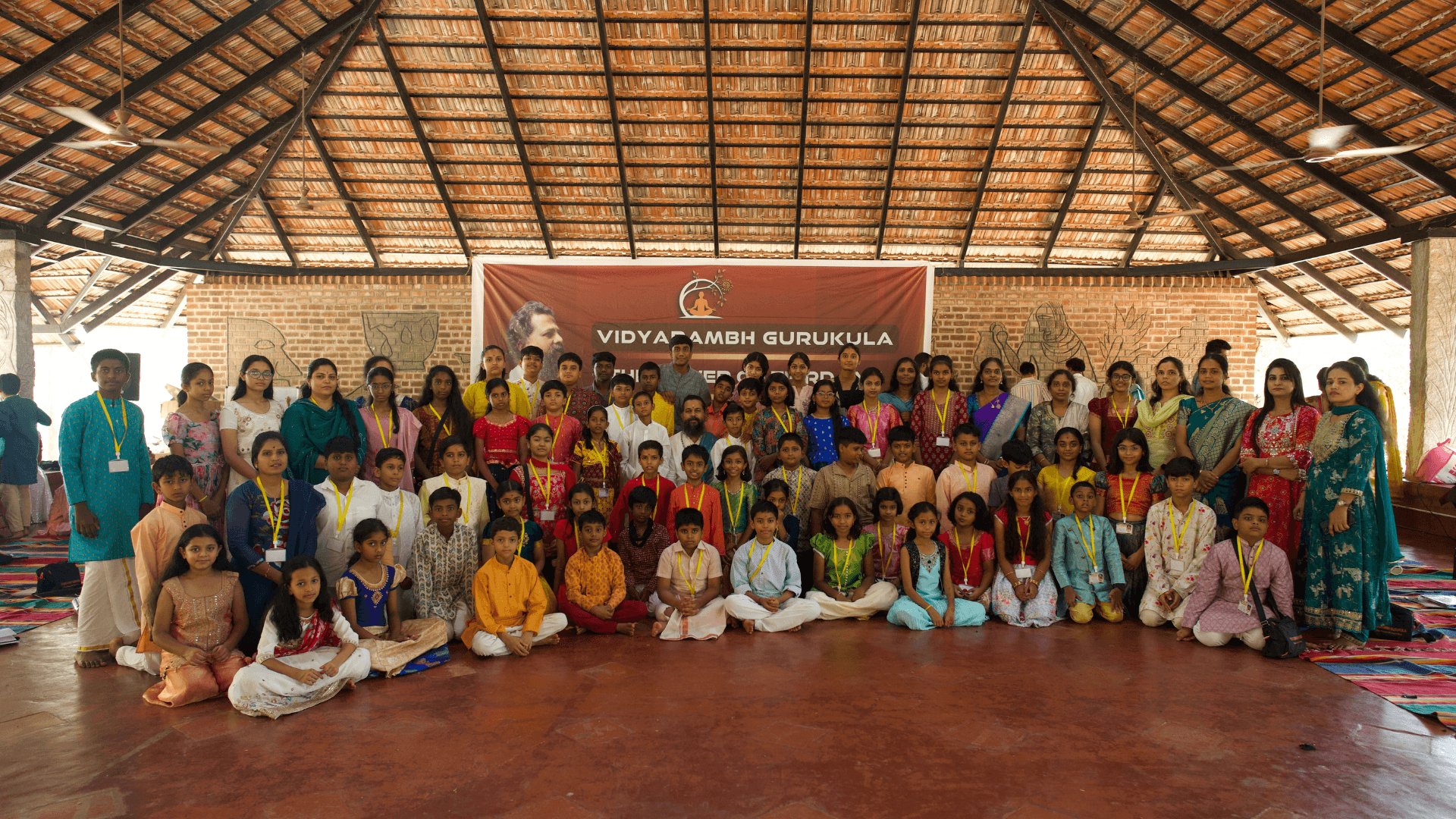
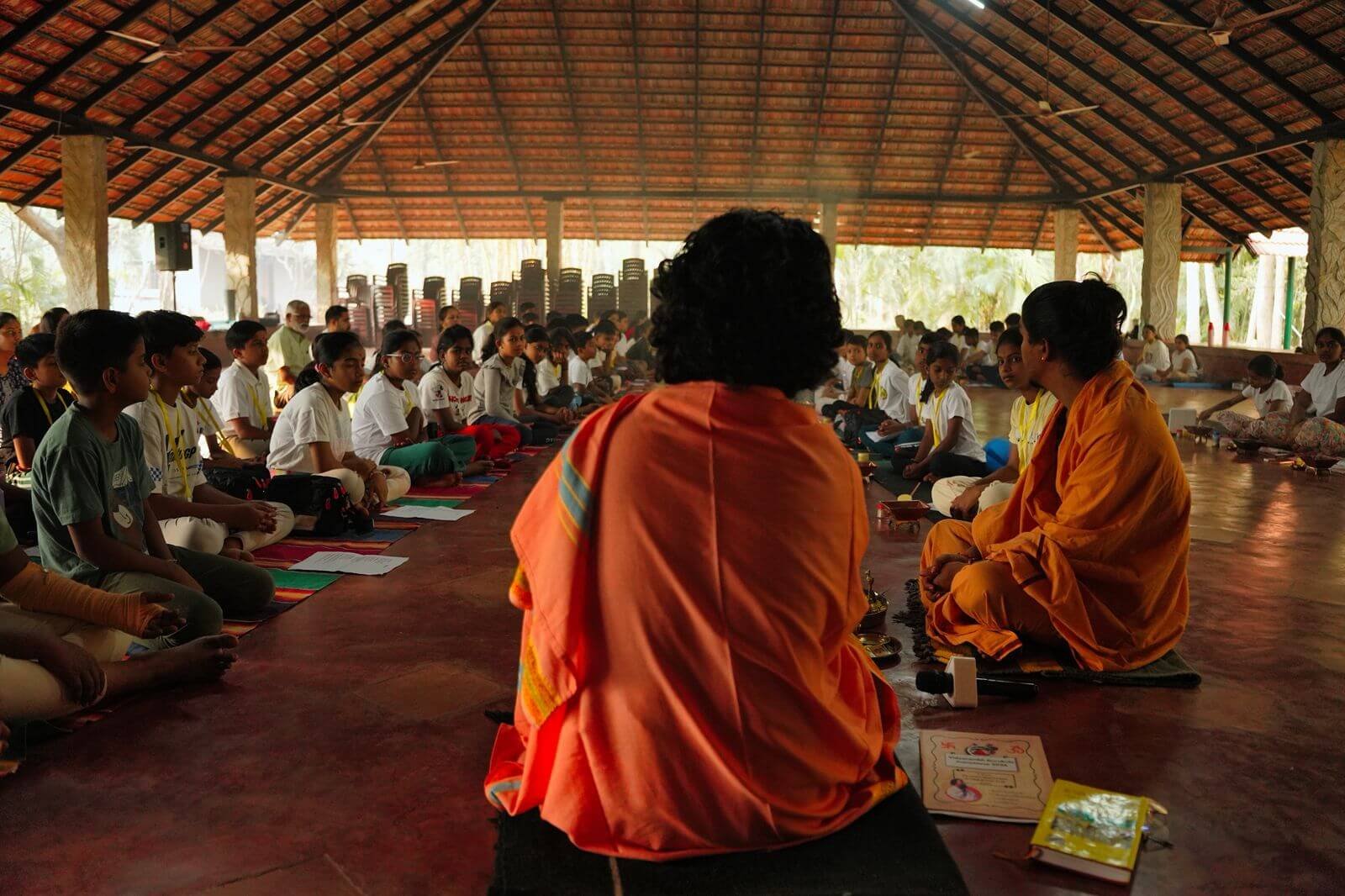
The open-air gurukula — the system Bharath used for thousands of years.

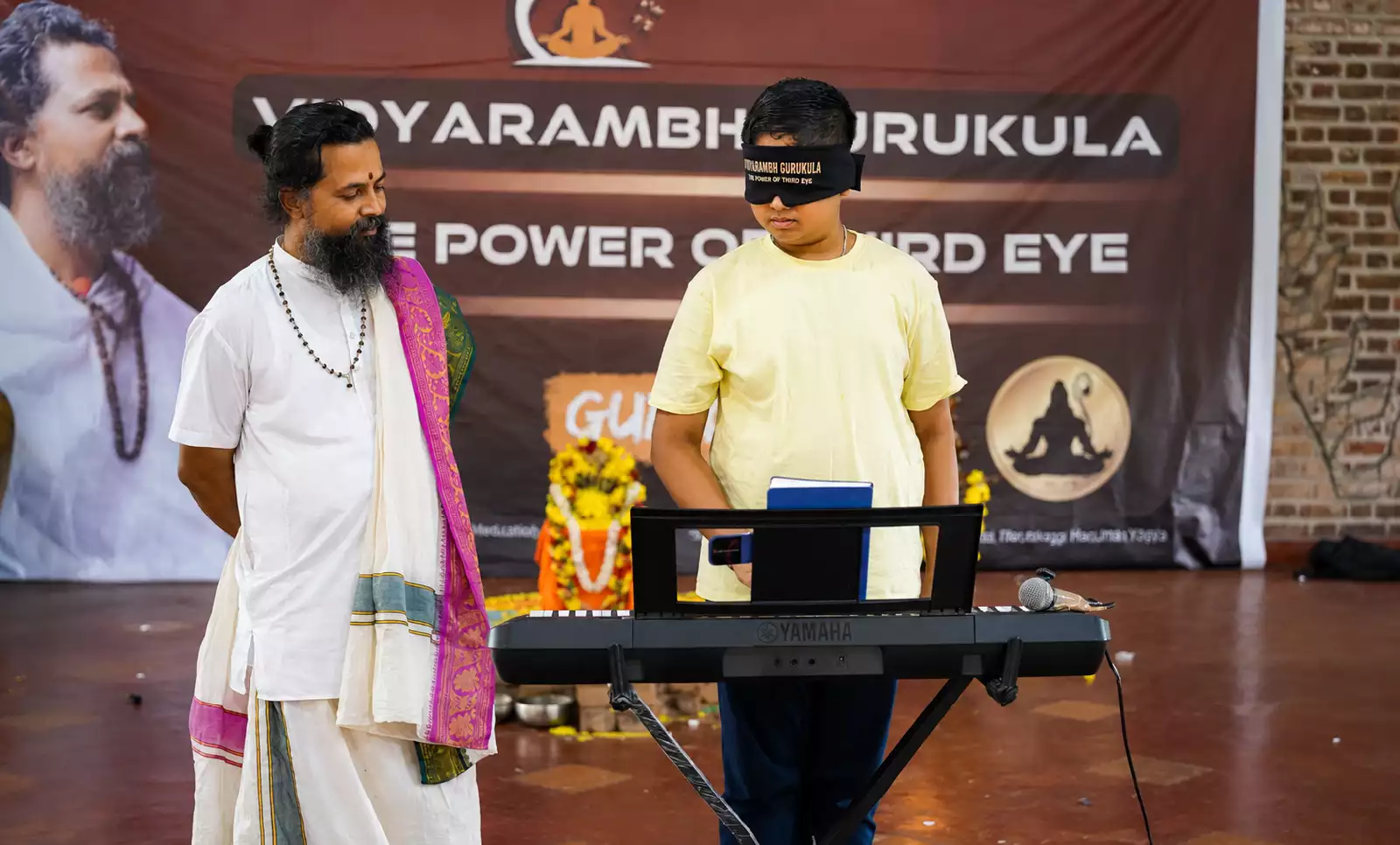
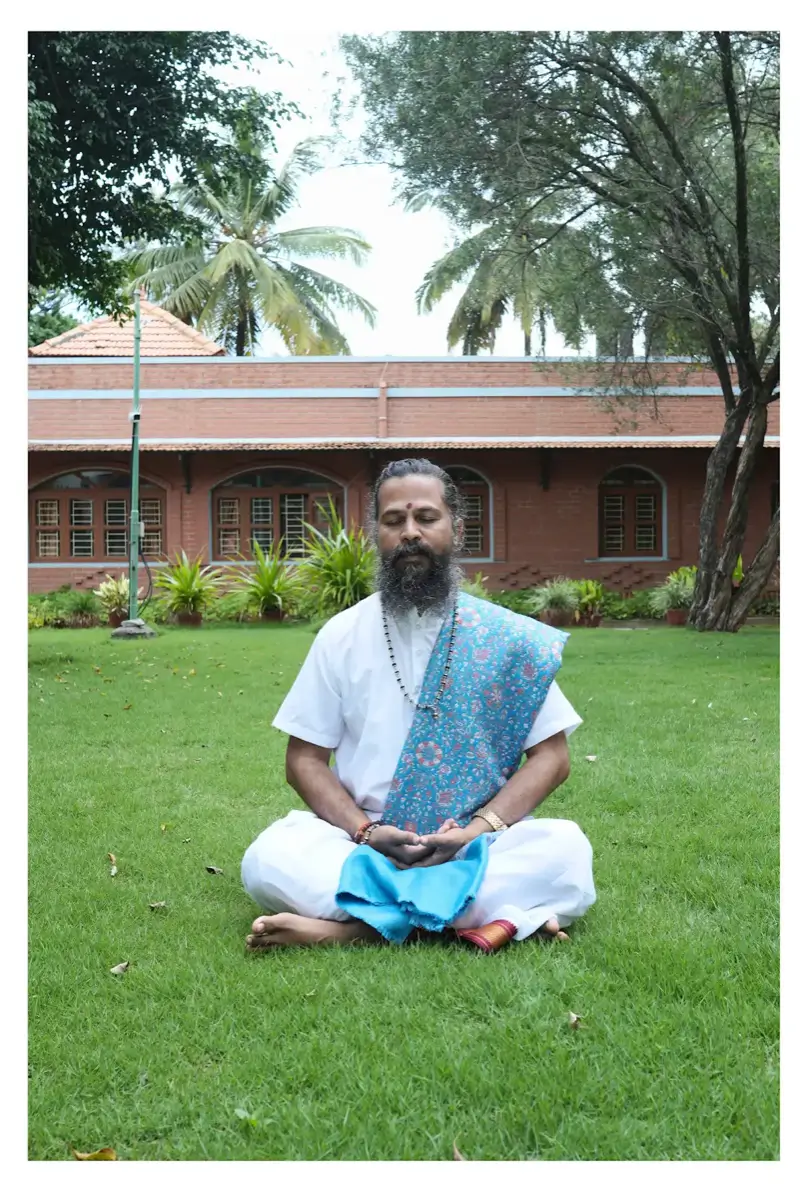
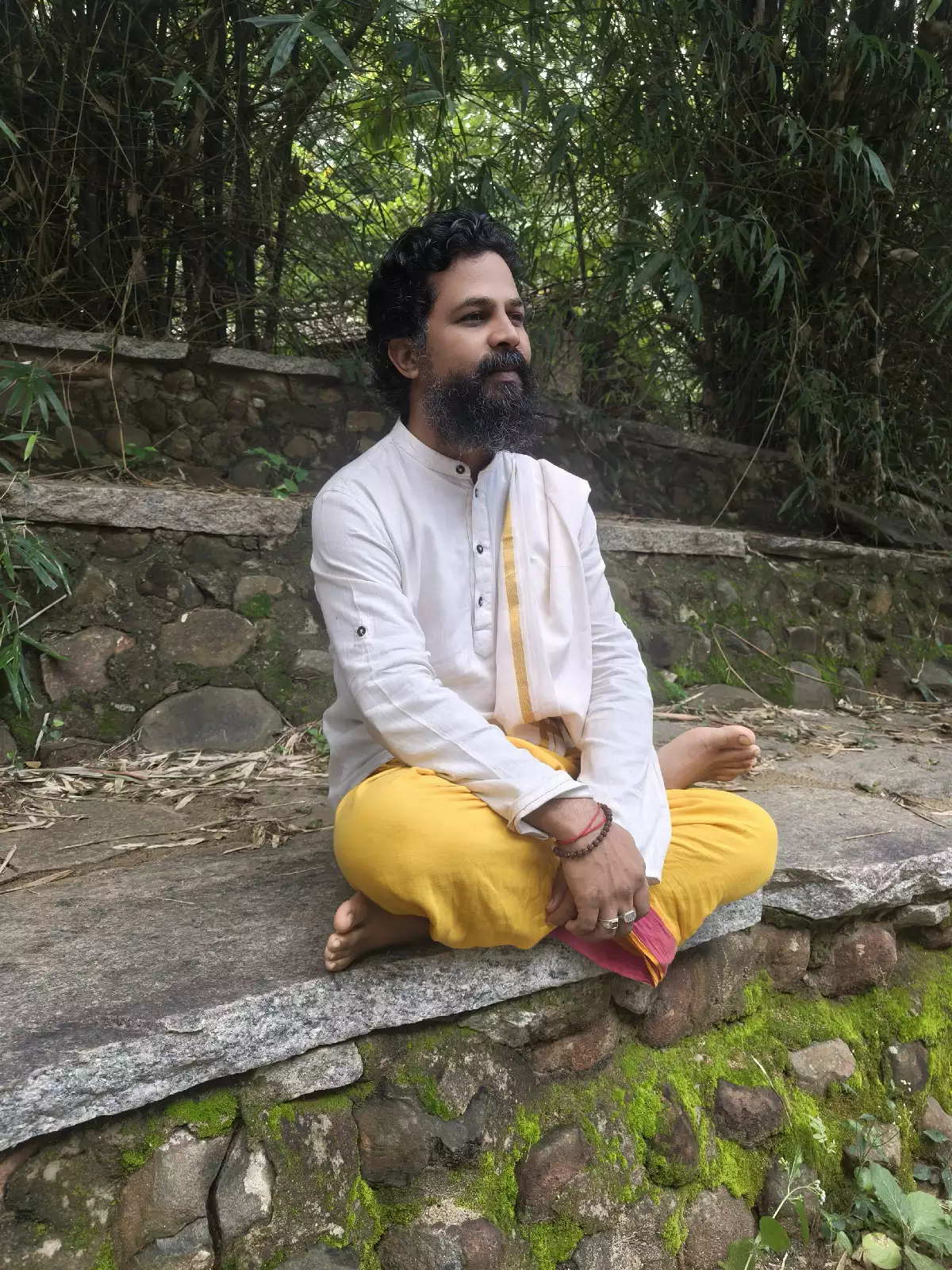
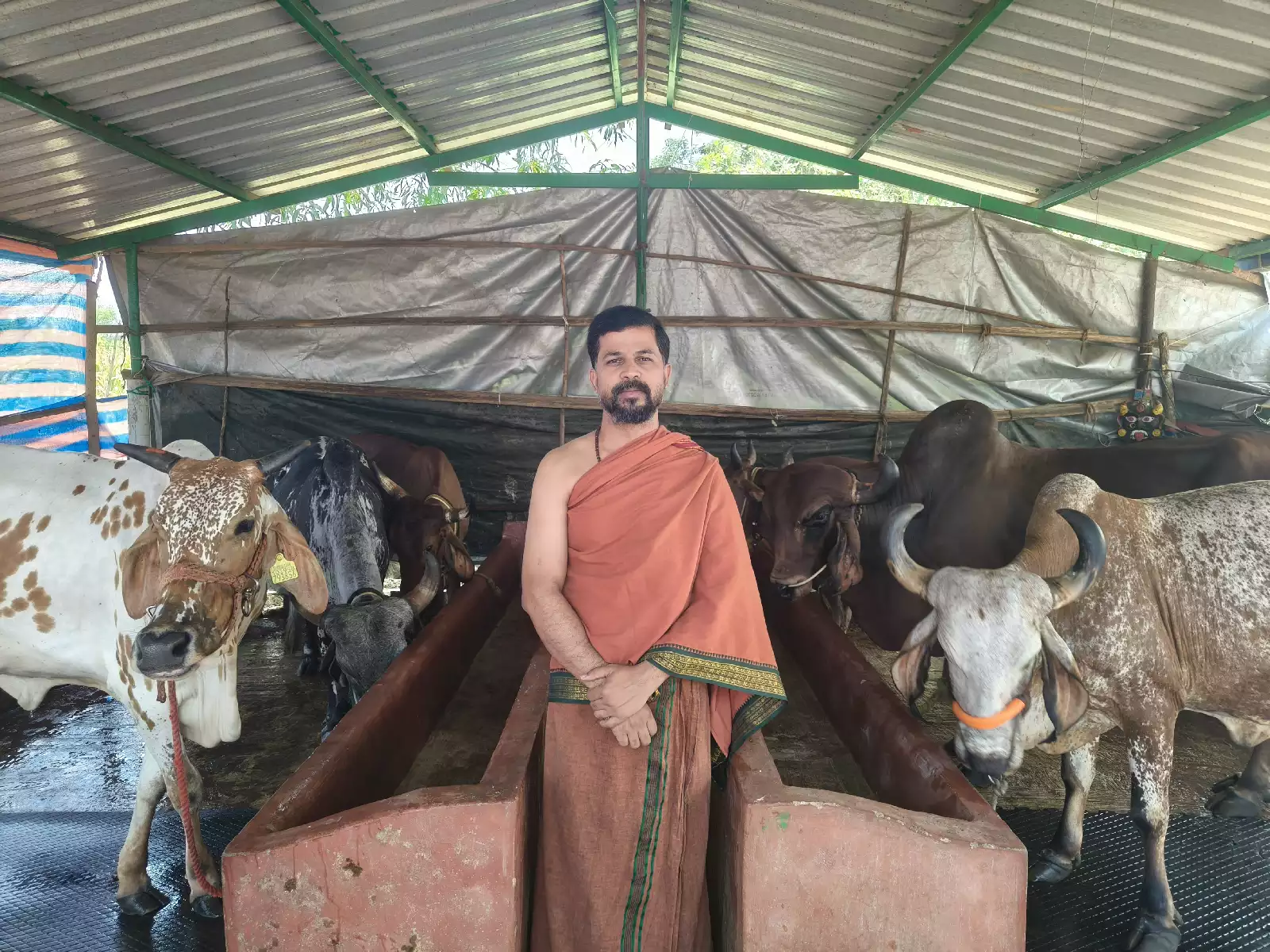
The same transmission, still living — Shivapura, today.
1835
The Breaking
Then the Thread Was Cut
Then, in 1835, it was replaced. Thomas Macaulay wrote the policy that did it, and he wrote down the intention: to form “a class of persons, Indian in blood and colour, but English in taste, in opinions, in morals and in intellect.” The system that followed was designed to produce clerks and recordkeepers for an empire. It is worth pausing on what that means: the school system your child sits in today was never designed to build a complete human being. It was designed to produce employees. It still does.
Funding moved to the new schools. The guru–shishya parampara — a chain of transmission running back thousands of years — lost the patronage that had carried it, and in most of Bharath it stopped its own way of teaching.
Here is the tragedy: it is not that the new system came. It is that the old one was never allowed to stand beside it. Everything the new system could not measure — was simply lost.
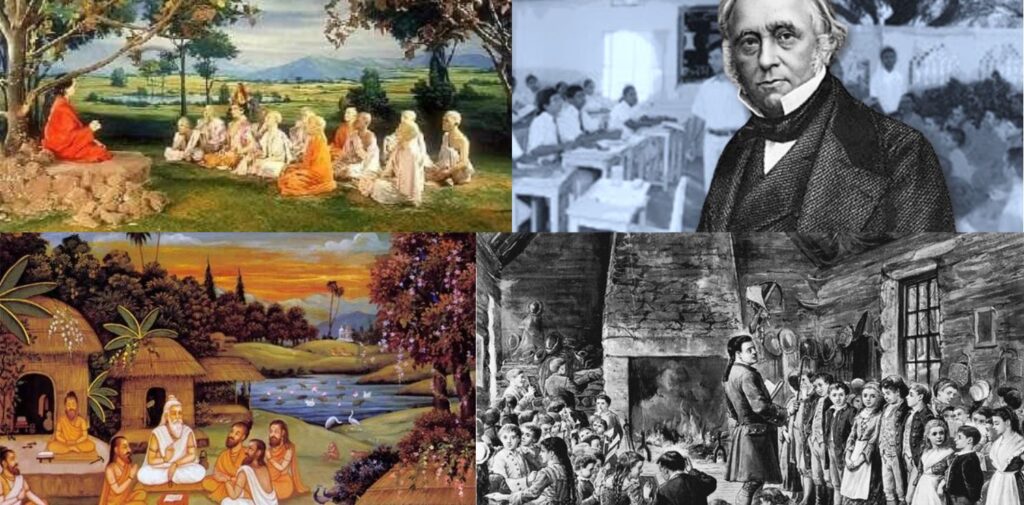
The new classroom: rows, slates, silence before the master — attention commanded, never trained.
Today
Two Centuries Later
The Children of the System
No blame belongs anywhere here. Teachers give what they have. Parents do what every good parent does — the best school they can afford, the tuitions, the coaching, the game played exactly as it was handed to them.
And in every city Guruji teaches in, parents describe the same things. A child who cannot sit for fifteen minutes without reaching for a screen. Strong marks and fragile nerves. Exam anxiety at ten. Restlessness at twelve. Achievement, and behind it something quieter that nobody has a word for.
The observation is simple: the child is not failing school. School was never built to do this second half of the work. It fills the mind faithfully, every single day. Nothing on the timetable trains the attention that holds the mind steady — the half that went in 1835. That is the half we went back for.
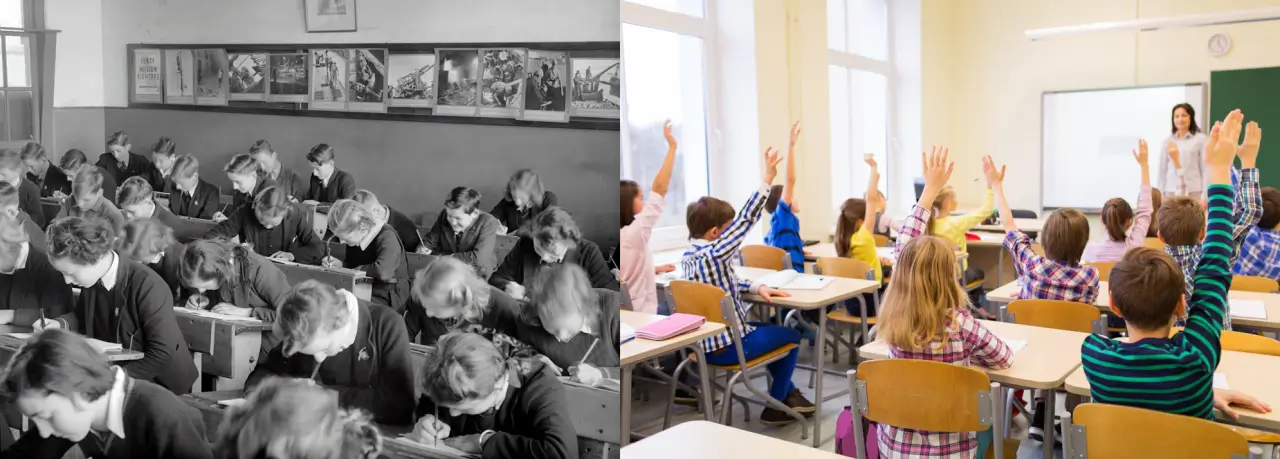
The classroom took the gurukula's place — but it was never built to do the gurukula's work.