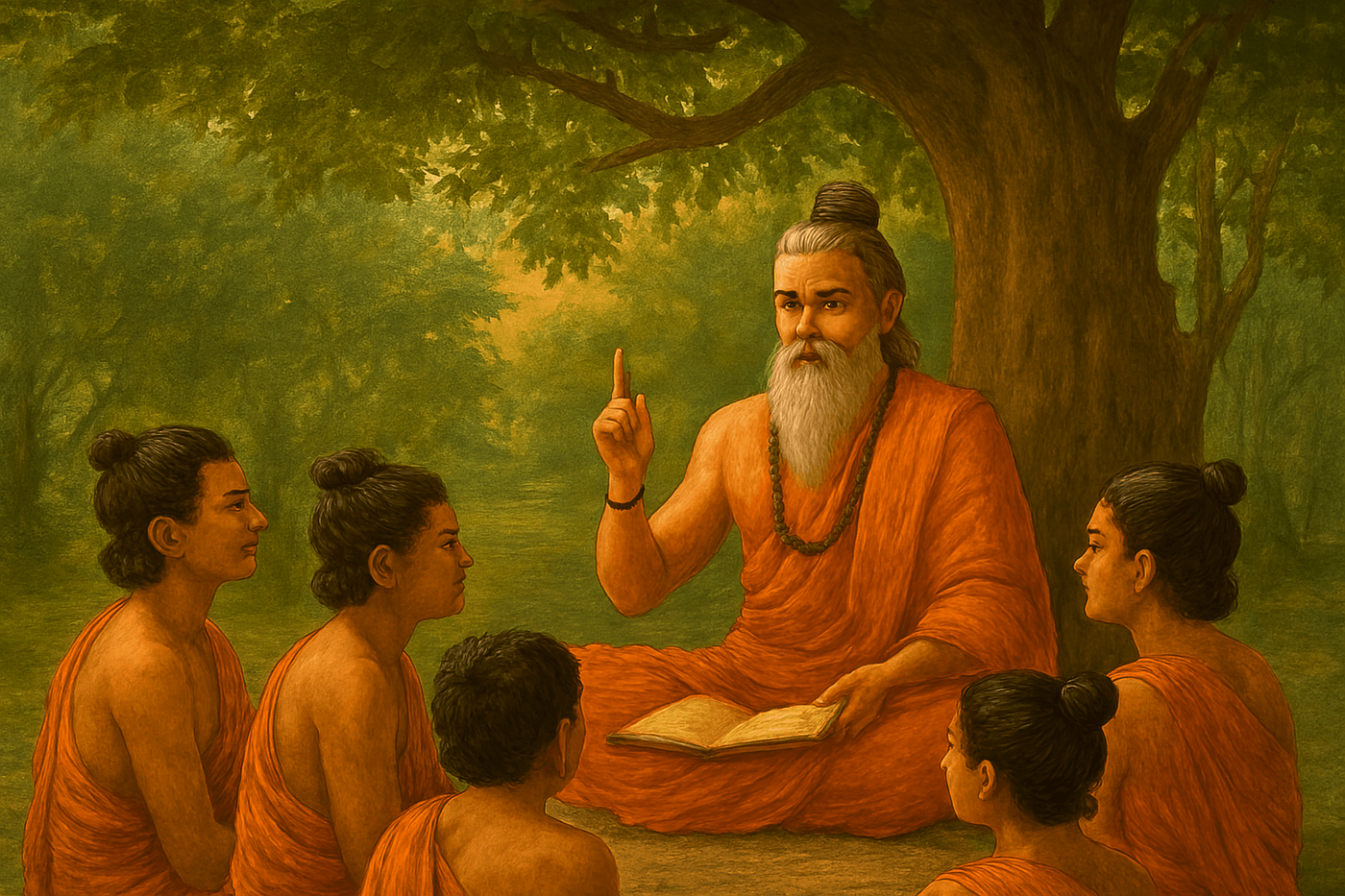
A boy of seven stands at the ashrama gate before sunrise, his father beside him. Nobody asks for his marks — there are none. Nobody checks a certificate — none exists. The acharya looks at the child for a long moment, lights a lamp, and speaks a mantra. That is the entrance examination, complete. The ceremony has a name our own Gurukula carries to this day: vidyarambha — the beginning of knowing. Not enrolment. A beginning.
“We do not admit children. We initiate them. Admission fills a seat. Initiation lights a lamp.”
The Child Was the Syllabus
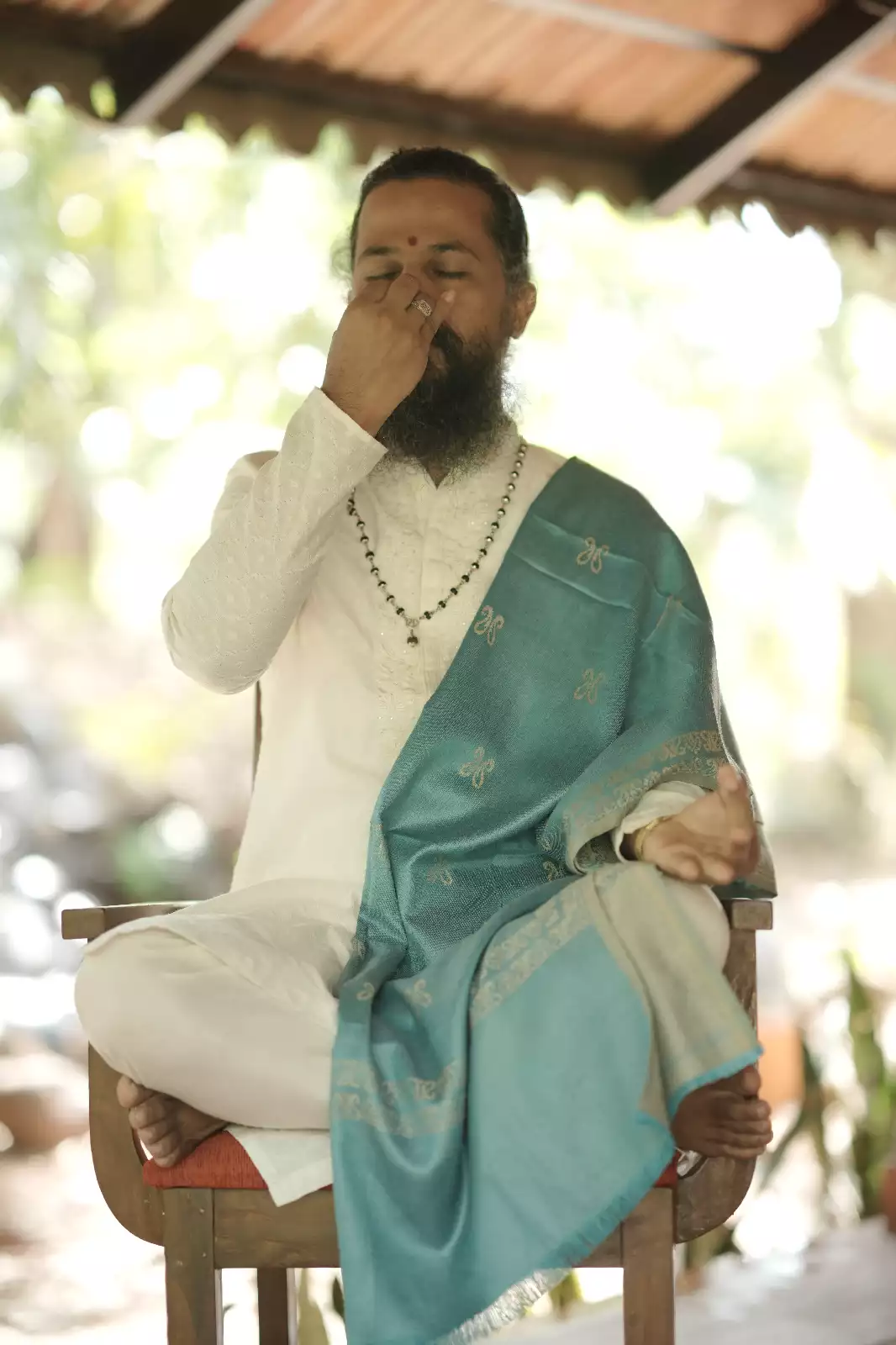
Ask what subjects a gurukula taught and you have already asked a modern question. The gurukula's first curriculum was not a list of subjects at all — it was the child himself. Before pouring in information, the tradition spent years building the instrument that would hold it: attention that could rest on one thing without trembling; memory trained until it was architecture — remember that the Vedas crossed three thousand years without paper, carried in the trained memories of children exactly this age; breath, because a mind rides on breath the way a flame rides on oil; the body, through Surya Namaskara and work; the senses, sharpened and then governed.
Only onto that prepared instrument came the load: grammar and mathematics, astronomy and medicine, logic, music, statecraft, dharma. The sequence was the secret. Anything written on a still mind stays.
A Day That Did the Teaching
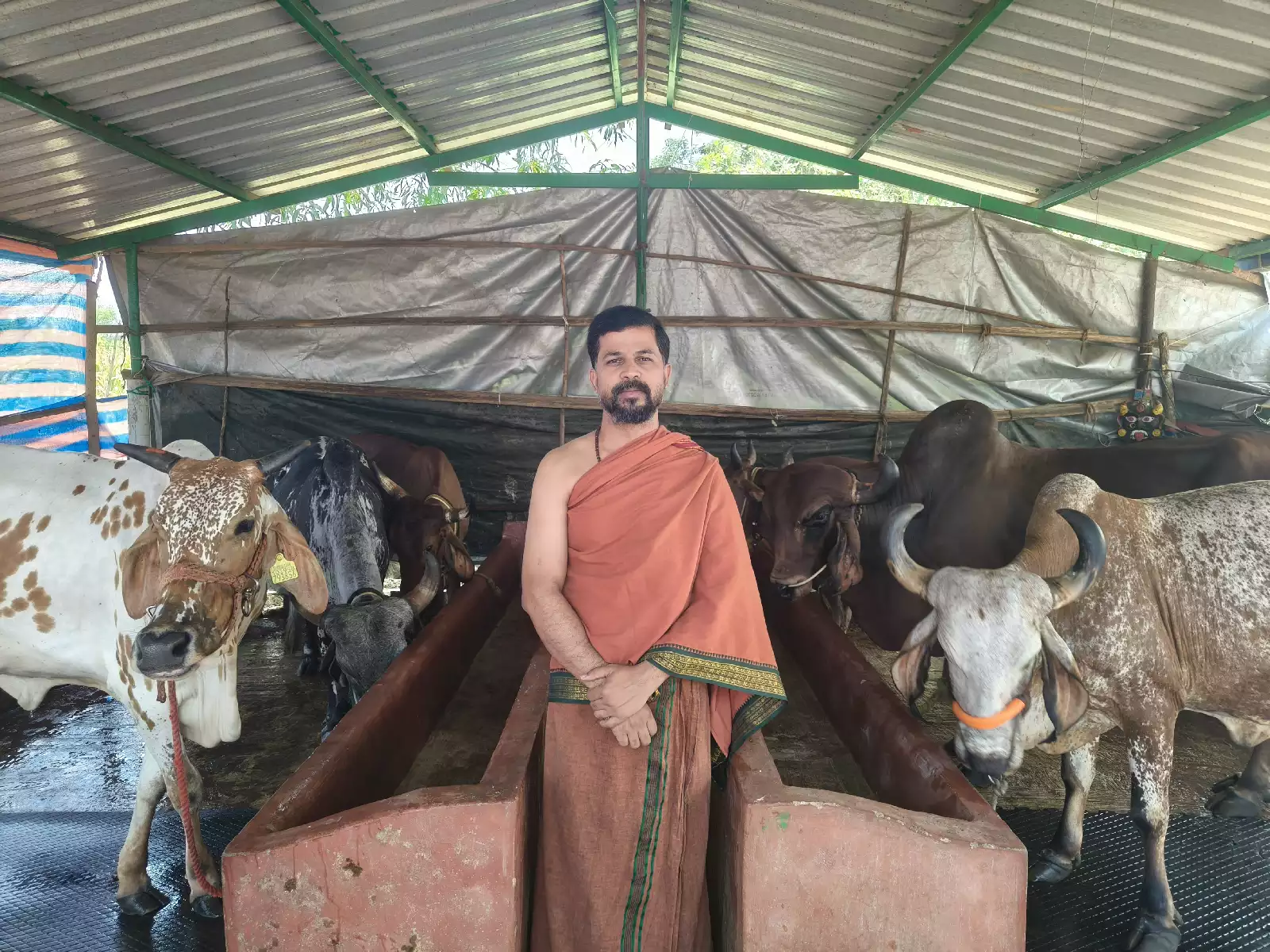
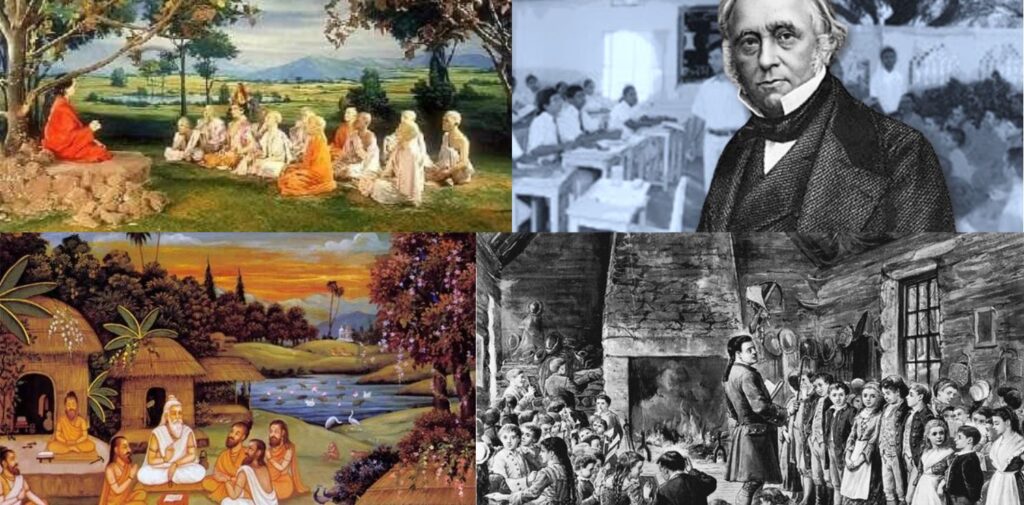
The gurukula's other instrument was the day itself. Waking in the brahma muhurta, the dark, silent hours when the mind is clearest. Cold water. Breath and sun salutations before a single word of study. Lessons in the morning freshness, when memory is most receptive. Then seva — and this is the part modern eyes misread. The prince and the farmer's son together tended cows, carried water, worked the garden and the kitchen, not as punishment and not as chores, but as the curriculum: work done with full attention is concentration training that no worksheet can match, and serving before eating settles a truth into the bones that no moral science lesson can. Food taken with attention. Questions at dusk, at the guru's feet. Early sleep, guarded like a treasure.
Notice what is absent: no bell cutting knowledge into forty-minute slices, no ranking of child against child, no fear as fuel. The architecture applied the pressure, gently, in the same direction, every single day — and the architecture, more than any lecture, was the teacher.
When the World Crossed Oceans to Study Here
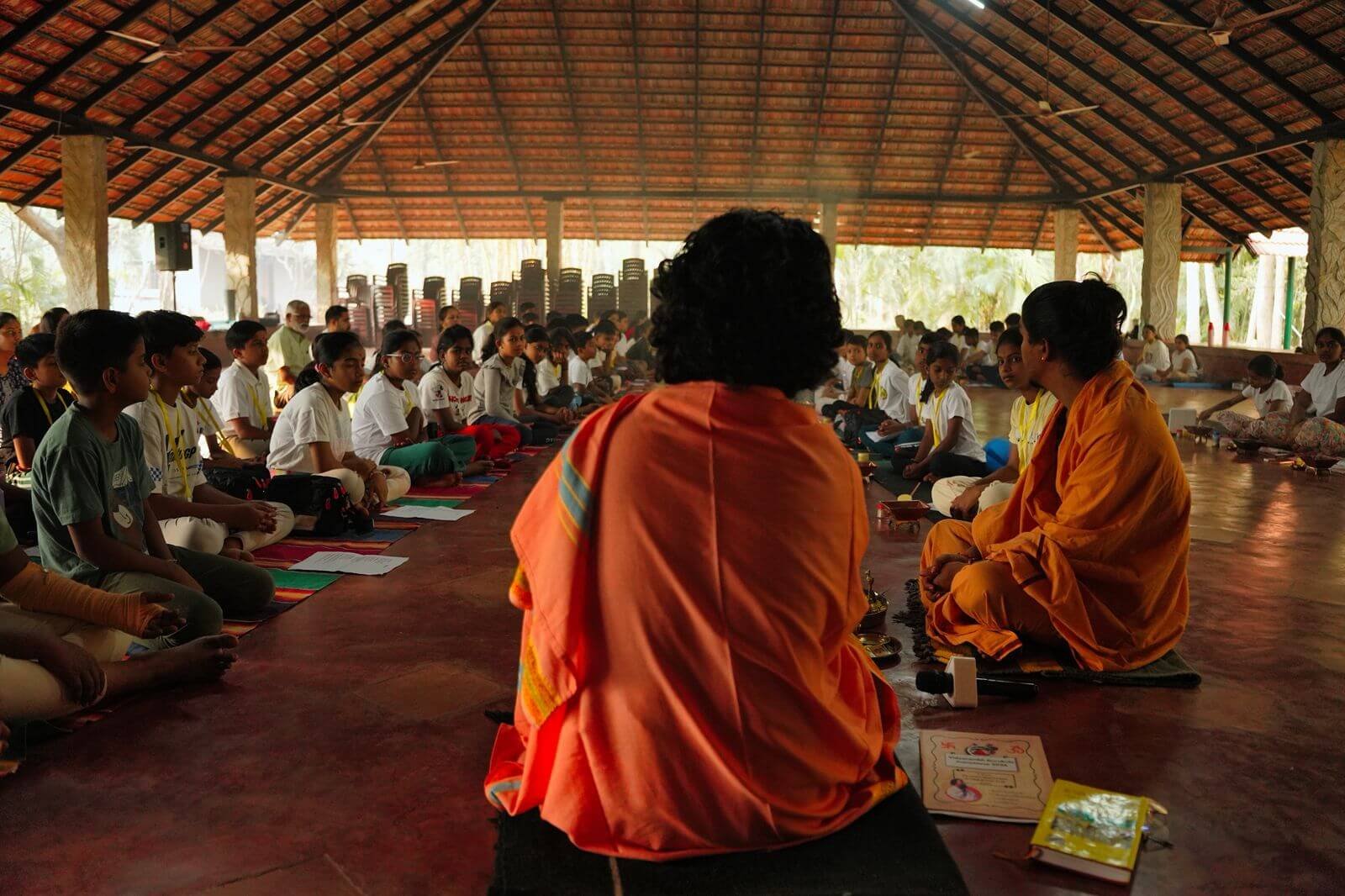
This was not a village arrangement. At Takshashila, students arrived from across the known world to study medicine under masters like Charaka's tradition, grammar in the line of Panini, statecraft of the kind Chanakya would carry to an empire. Nalanda housed thousands of students and teachers, with libraries so vast that when invaders finally burned them, the manuscripts are said to have smouldered for months. The gurukula was the root system; these universities were its tallest trees. For most of recorded history, the direction of educational travel was towards Bharath.
The Thread That Broke
Then, in 1835, a colonial administration formally redirected Indian education towards a new design — one openly intended to produce clerks and intermediaries for an empire. The new system was efficient at exactly what it was built for. But it kept only half of what the gurukula had done. Information delivery survived and scaled. Instrument building — the attention, the memory training, the breath, the seva, the architecture of the day — was optimised out, and in the two centuries since, nothing has replaced it. That year deserves its own essay, and it will get one. For now, one sentence is enough: we did not lose our education in 1835; we lost half of it, and then forgot there had ever been another half.
What Survived
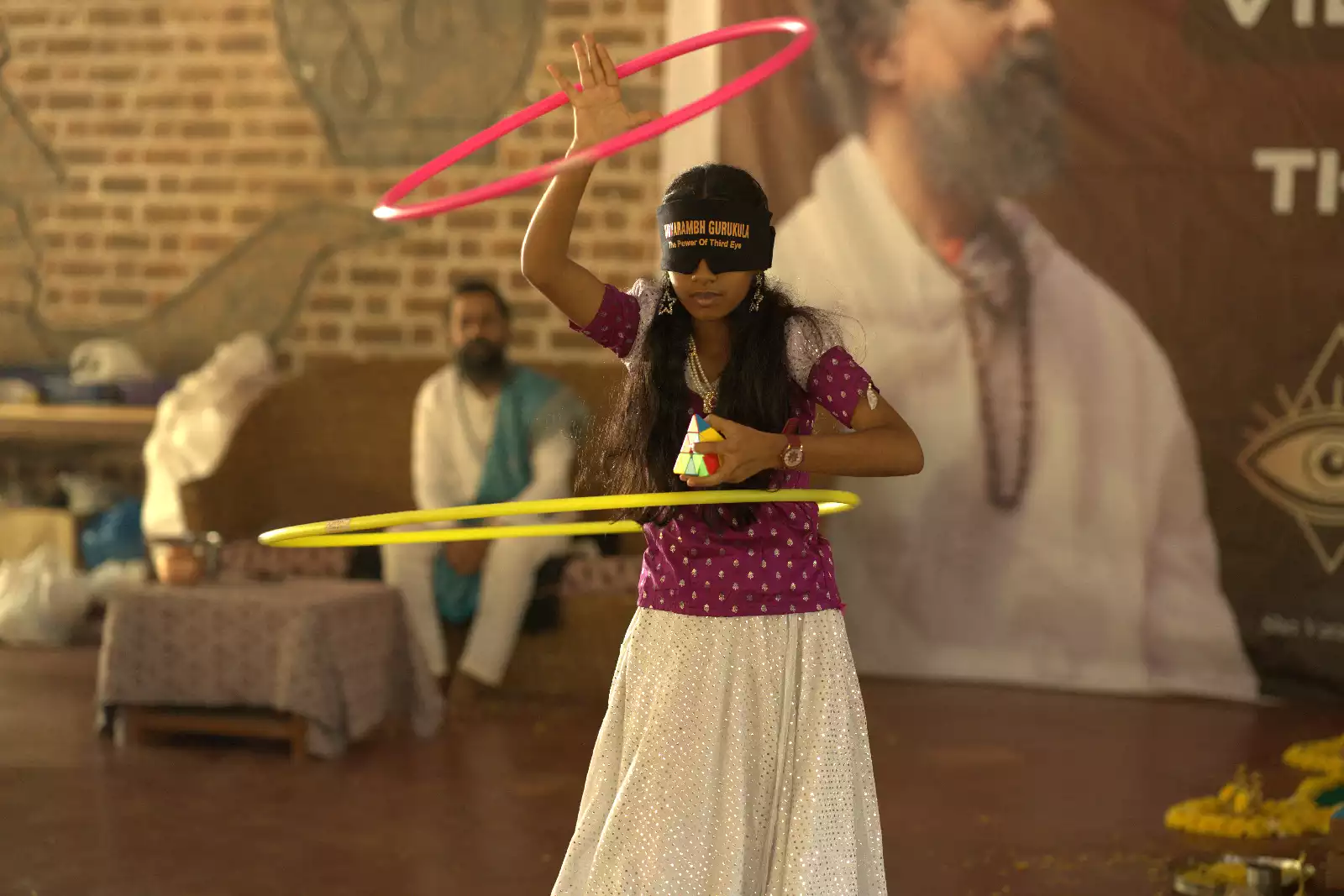
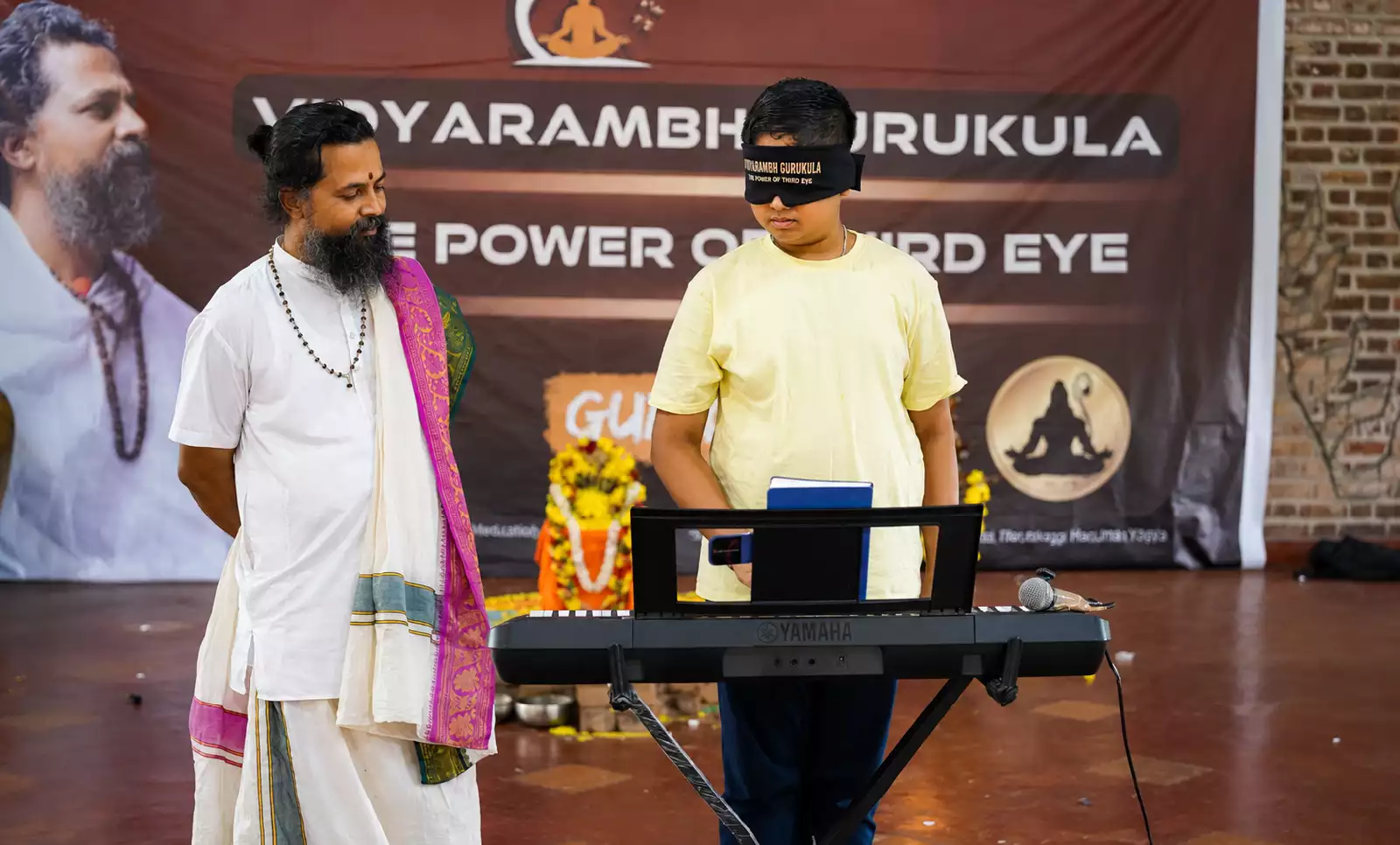
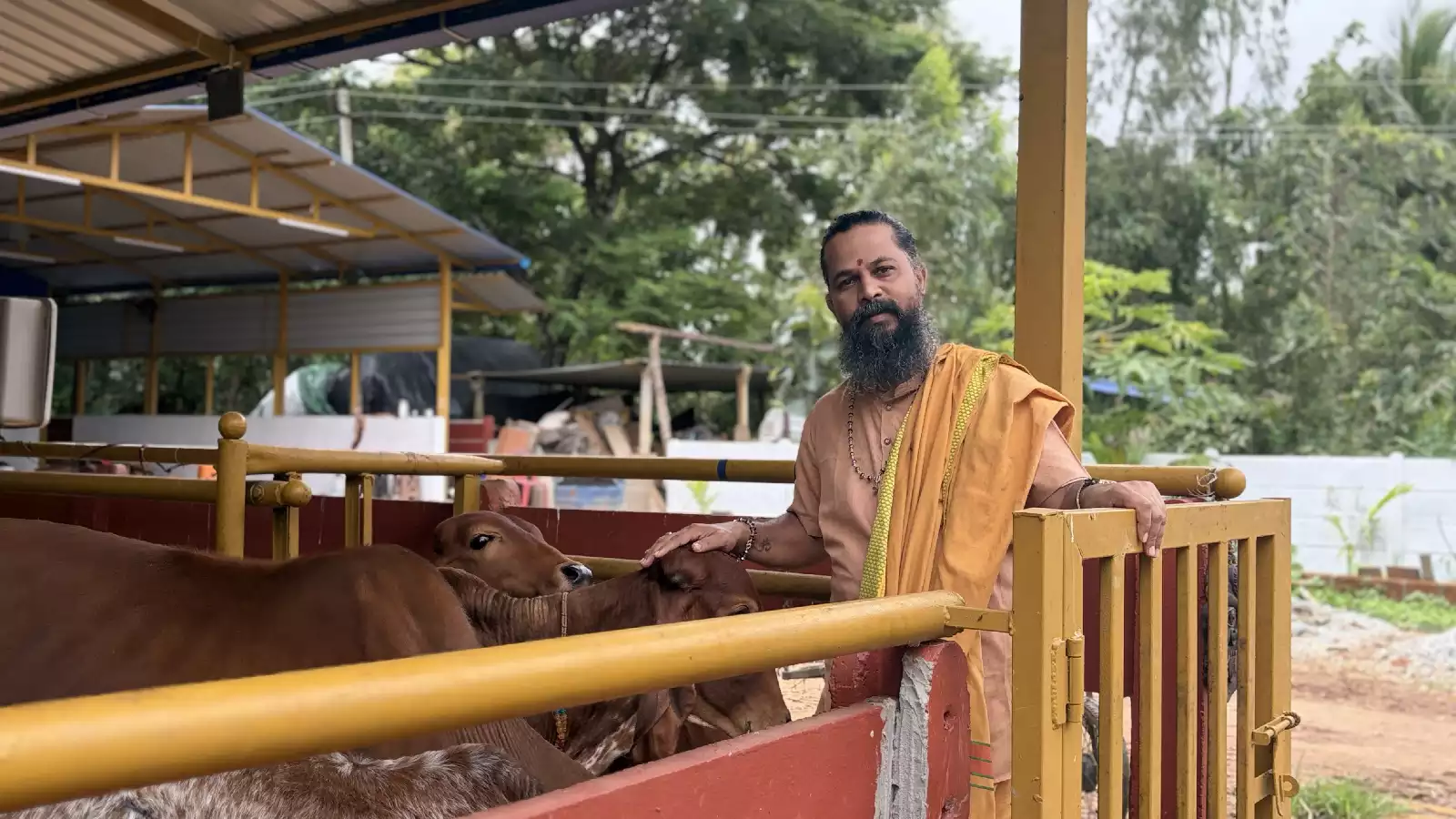
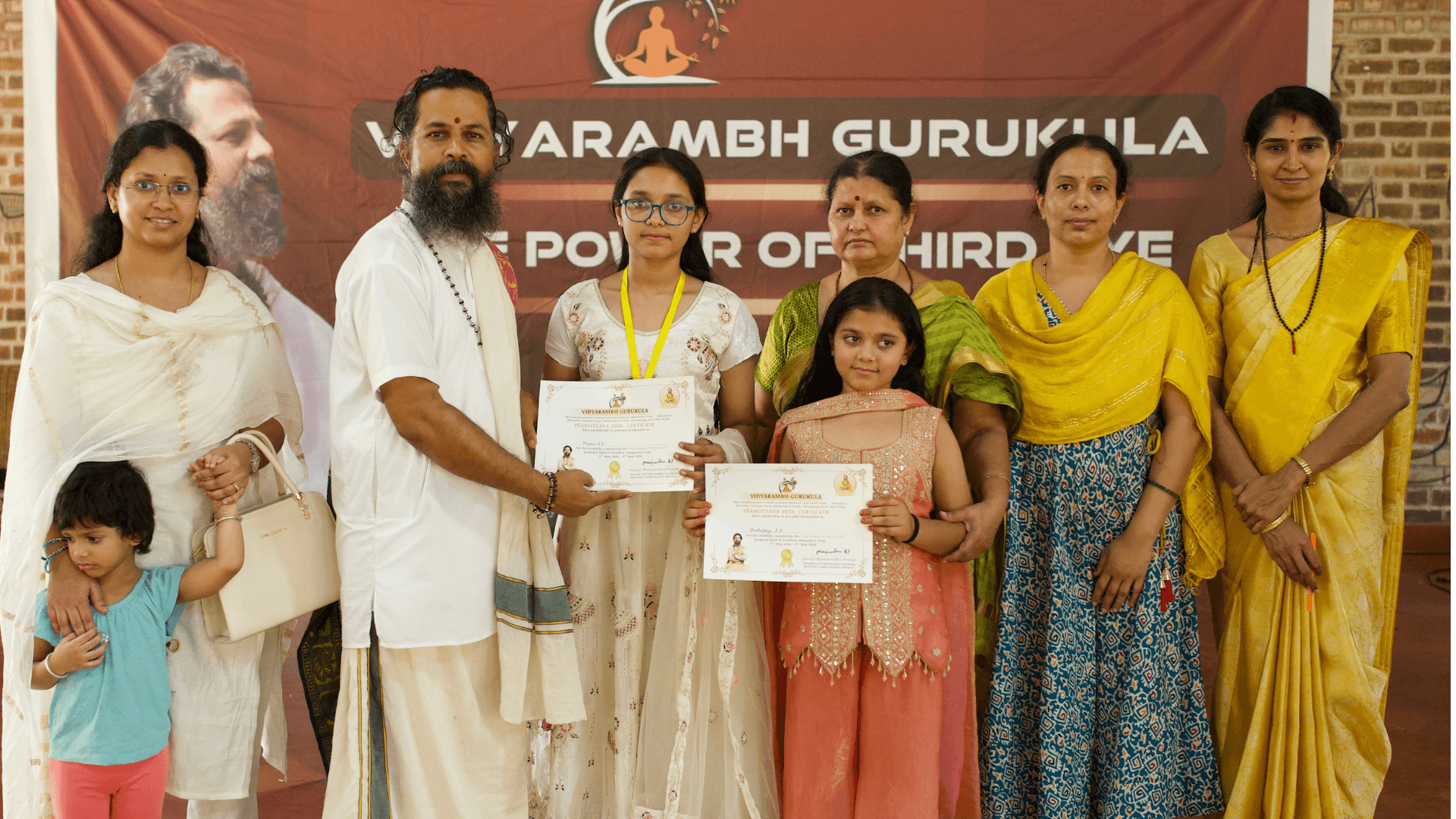
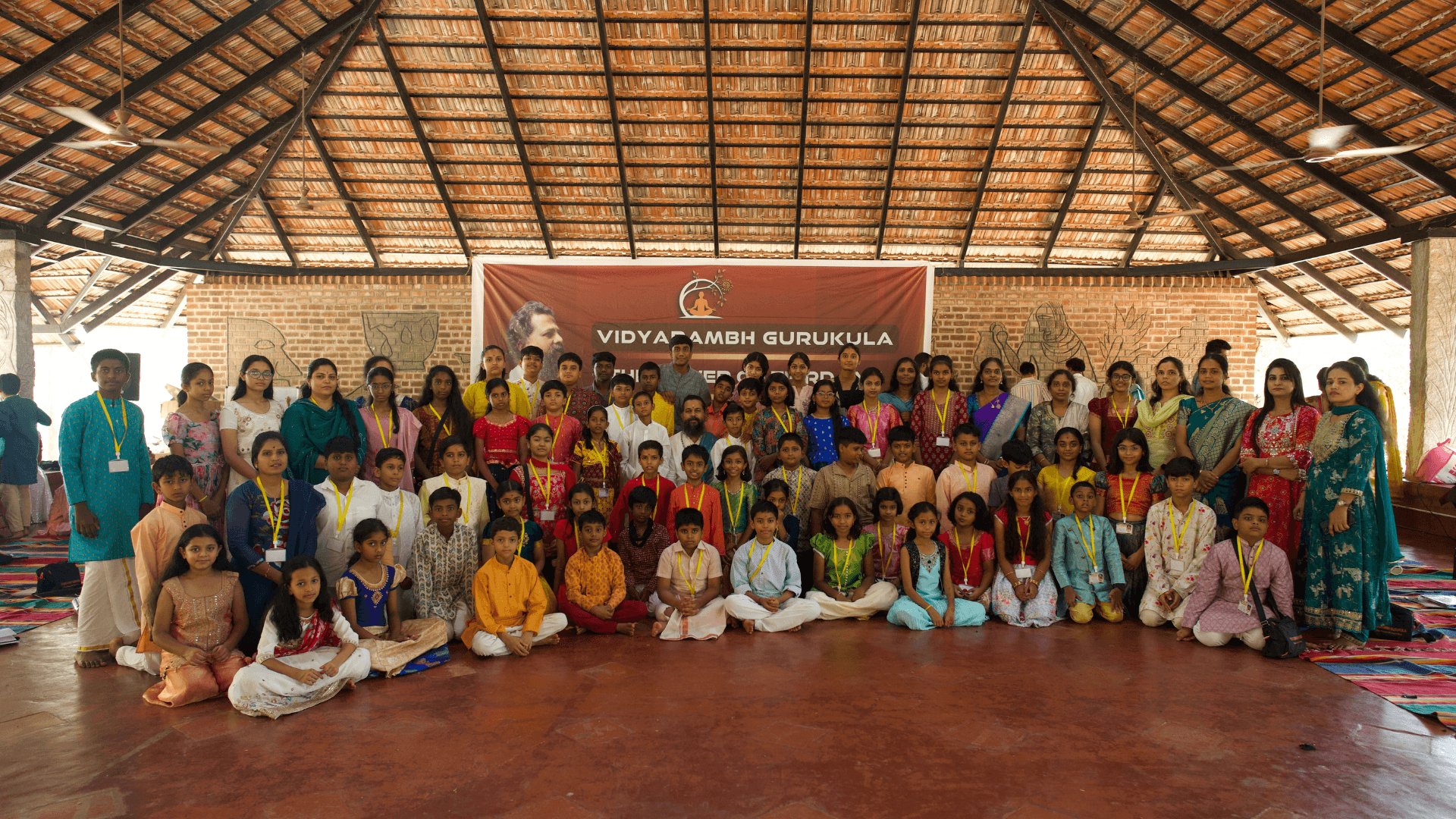
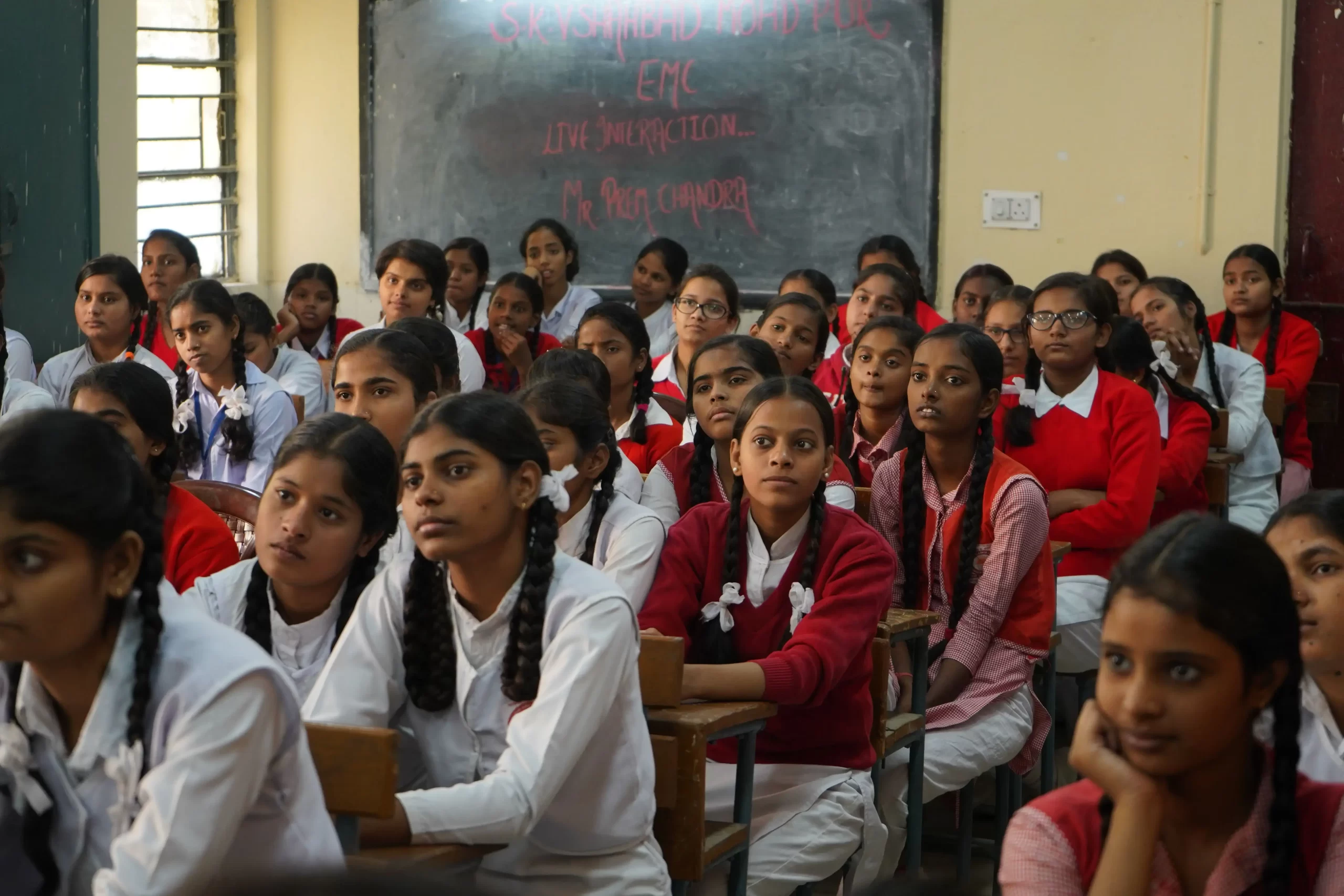
Here is the quiet good news: a method carried by living transmission cannot be abolished by a memorandum. Wherever a guru and a child sit facing each other with the old sequence intact — instrument first, information second — the gurukula exists, whatever the signboard says. In Shivapura today, children wake to the goshala mornings, train breath before books, sit blindfolded learning to see with attention itself, and study mathematics afterwards — and their parents report what gurukula parents have reported for three thousand years: the marks improve, but that is the smallest of the changes.
The old system is not gone. It was only interrupted. And an interruption, unlike an ending, can be answered.
What was broken can be rebuilt — that is the whole work of Vidyarambh Gurukula. The Vision page tells the story from the golden age to 1835 to the children of Shivapura today.
Read the Vision & Mission